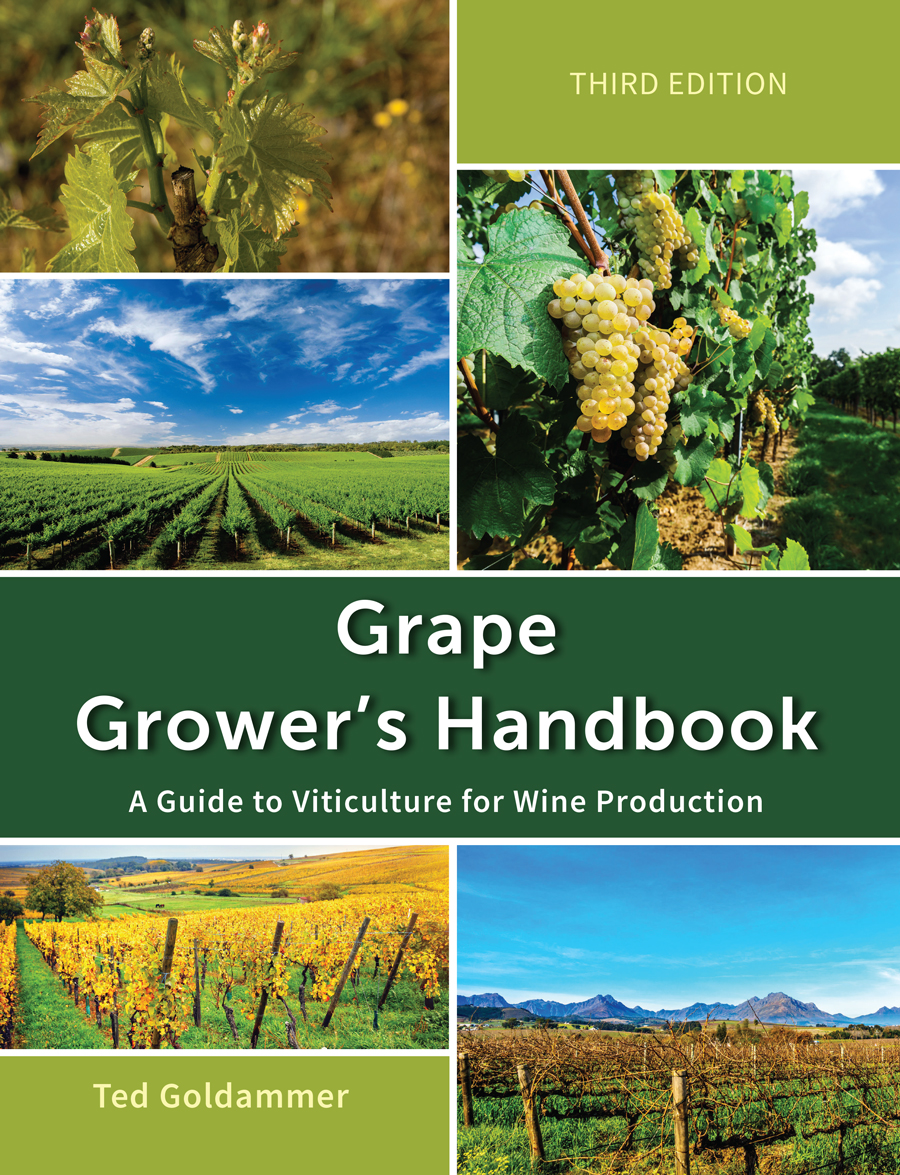
Harvesting Wine Grapes
(book excerpts)The harvesting of wine grapes is one of the most crucial steps in the process of winemaking. Manual harvesting and mechanical harvesting are the two routes that a wine grape grower can take to get the grapes off the vine and ready for the crush. Hand-harvesting affords more precise selection and tends to do a better job of protecting the grape’s juice content from oxidation due to damaged skins. Mechanical harvesters enable a more efficient and often cost-effective process, and are well-suited for extensive vineyards that lie on flat terrain. In general, sparkling wine grapes are harvested first (Chardonnay and Pinot Noir) to ensure lower sugar levels, followed by most of the white wine grapes. Red wine grapes are typically the next in line for harvest, as they take a bit longer to reach full maturity. Finally, the dessert wines make their way to the crush after undergoing some dehydration on the vine to produce a raisin-like grape with highly concentrated sugars.
Click on the following topics for more information on harvesting wine grapes.
Topics Within This Chapter:
- Manual Grape Harvesting
- Advantages and Disadvantages
- Mechanical Grape Harvesting
- Advantages and Disadvantages
- Vineyard Physical Configuration
- Ground Slope
- Turning Radius
- Row-spacing
- Trellising
- Varieties
- Mechanical Harvester Configurations
- Dedicated Harvesters
- Tow-behind Harvester
- Multi-function, Self-propelled Units
- Mechanical Harvester Options
- Types of Picking Heads
- Trunk Shaker
- Bow-Rod Picking Heads
- Harvesting Wine Grapes at Night
- Why Night Harvesting is Preferred